

Clear Vision for Driving is a Must, Not a Maybe

Having clear vision is absolutely crucial for safe driving—it’s not just about seeing the road ahead, but spotting hazards quickly, reading road signs at proper distances, and reacting swiftly to changing traffic conditions. Whether you’re navigating busy London streets or cruising down country lanes, your ability to see clearly can mean the difference between a safe journey and a dangerous situation. The importance of maintaining excellent vision and driving standards cannot be overstated, as your eyesight directly affects your ability to protect yourself and other road users.
What the DVLA Requires: It’s Simpler Than You Think
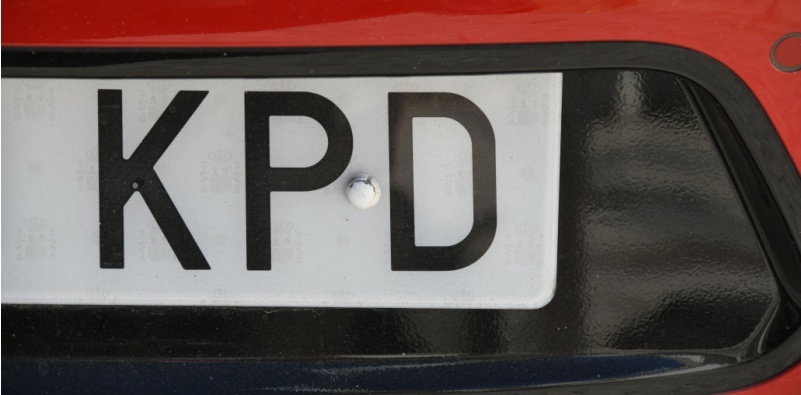
The UK’s driving authority (DVLA) has set some basic vision rules that all drivers need to follow. The main test is quite straightforward: you need to be able to read a car number plate from 20 metres away—that’s about the length of five cars parked bumper to bumper.
This test applies whether you wear glasses, contact lenses, or have perfect natural vision. If you need specs or contacts to pass this test, you must wear them every single time you drive—no exceptions.
There’s also the more detailed eye chart test that you’ll be used to when you’re at the opticians, where you read letters that get progressively smaller. You need to read down to a certain line to pass, but don’t worry—most people with reasonably good vision can manage this easily.
Here’s what could happen if you can’t meet these standards: if a police officer pulls you over and suspects your eyesight isn’t up to scratch, they can ask you to read a number plate on the spot. If you fail this roadside test, they can immediately contact the DVLA to revoke your licence—meaning you could lose your driving privileges that very same day. You could also face fines and penalty points on your licence.
Common Vision Problems That Can Affect Your Driving

Several common eye conditions can make driving more challenging or even dangerous:
Being short-sighted or long-sighted: If you’re short-sighted, you’ll struggle to see things clearly in the distance—like road signs, traffic lights, or hazards ahead. Long-sightedness can make it hard to focus on your dashboard or see things clearly up close. The good news is that both conditions are easily corrected with glasses or contact lenses.
Astigmatism: This condition makes everything look a bit blurry or distorted, regardless of distance. It can make it harder to judge how far away other cars are, which is obviously problematic when driving.
Age-related changes: As we get older, our eyes naturally change. Cataracts are incredibly common and cause your vision to become cloudy and hazy—imagine trying to look through a dirty window. They also make you more sensitive to bright lights, particularly troublesome when driving at night with oncoming headlights.
Another age-related condition is macular degeneration, which affects the central part of your vision. It’s actually responsible for nearly half of all sight loss registrations in the UK. This condition makes it difficult to see fine details like road signs, pedestrians, or other cars clearly.
Colour blindness: While you don’t need to tell the DVLA about colour blindness, it can make it trickier to distinguish between traffic lights, especially in unusual lighting or when lights are positioned differently than expected.
Why Regular Eye Tests Are Essential—Even If You Think Your Vision Is Fine
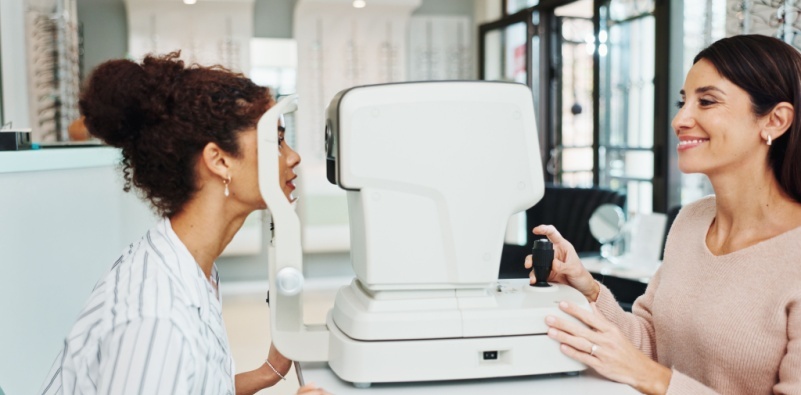
Here’s something many people don’t realise: eye problems often develop so gradually that you don’t notice them at first. By the time you think “my vision seems a bit off,” the problem may have been developing for months or even years.
An eye test can spot these changes early, often before you’re even aware there’s a problem. Think of it like an MOT for your eyes—you wouldn’t drive a car for years without checking it’s roadworthy, so why do the same with your vision?
We recommend having your eyes tested every two years as a minimum, or more often if you notice any changes or have existing eye conditions. A regular eye test for driving purposes doesn’t just check if you need glasses—it also examines your peripheral vision (how well you can see to the sides) and overall eye health.
Simple Ways to Improve Your Driving Vision

Beyond regular eye tests, there are several practical things you can do to see better whilst driving:
Invest in good sunglasses: polarised sunglasses are brilliant for reducing glare from wet roads, other cars, and bright sunshine. They’re particularly helpful in winter when low sun can be blinding, or when it’s raining and everything reflects light.
Consider an anti-glare coating: If you wear glasses, ask about anti glare coating for glasses when you next update your prescription. This coating reduces reflections from oncoming headlights and street lights, making night driving much more comfortable and safer.
Keep your windscreen spotless: It sounds obvious, but a clean windscreen makes an enormous difference. Dirt, smears, and even tiny scratches can scatter light and make everything harder to see, especially when the sun is low.
Get your driving position right: Adjust your seat so you can see clearly over the steering wheel and through all your mirrors without straining. Your eyes should be roughly level with the top third of your windscreen for the best view of the road ahead.
Take breaks on long journeys: Your eyes get tired just like the rest of you. On long drives, stop every couple of hours to give your eyes (and yourself) a rest. If you notice your vision becoming blurry or strained, it’s time for a break.
Take Action Today for Safer Driving Tomorrow

Your ability to drive safely starts with clear, healthy vision. Don’t wait until you notice problems—by then, you might already be putting yourself and others at risk. At Optikal Opticians, we understand how important driving is to your independence and daily life.
Our comprehensive eye examinations go beyond just checking if you need glasses. We’ll assess whether your vision meets DVLA standards, check your peripheral vision, and examine your overall eye health. If we spot any issues, we’ll explain everything to help you understand your options.
Book an eye test today at one of our three north London practices. We’ll make sure your vision is sharp, your prescription is up-to-date, and you’re driving as safely as possible. Don’t gamble with your eyesight—or your driving licence.
Contact Optikal Opticians now to book your appointment and drive with complete confidence.