

Why Remote Workers Should Prioritise Their Eye Health This Summer
Summer does not always mean switching off, especially when you work remotely. Emails still need answering, video calls continue and long stretches at a laptop can easily become part of the day. Whether you are working at the kitchen table, from a garden chair or in a bright home office, your setup can affect your comfort and eye health.
Warmer weather can add glare, dry air from fans or air conditioning and longer periods of screen exposure. Fortunately, practical changes can reduce digital eye strain and support healthy eyes throughout the summer.
What Happens To Your Eyes During A Long Screen Day?

If your eyes feel tired by the end of the day, you’re not alone. Digital eye strain is a common result of prolonged screen use, and it can build gradually.
When you concentrate on a screen, you may blink less often. Moisture on the surface of your eyes can then evaporate more quickly, leaving them feeling dry, gritty or irritated. Your focusing system is also working continuously at a fixed distance, which may contribute to blurred vision, difficulty concentrating and headaches from screen time.
These symptoms are useful signs that your eyes, screen setup or working routine may need more support.
Why Can Summer Make Eye Strain Worse?

Summer eye health can be affected by brighter light, warmer indoor environments and changes to where you work.
Direct sunlight can create glare across a laptop or monitor, making text harder to see. Fans and air conditioning may direct dry air towards your face, increasing evaporation from the eyes. Working from sofas, garden furniture or temporary desks can also result in awkward screen angles and poor posture.
Longer daylight hours may encourage longer working days, increasing your overall screen exposure. Together, these factors can make digital eye strain feel more noticeable during the summer.
What Are The Common Signs Of Eye Strain?

Your eyes are good at letting you know when something’s off — it’s just about recognising the signs of eye strain.
You might notice dry or watery eyes, blurred vision, a heavy feeling around the eyes, difficulty refocusing, sensitivity to light and headaches after prolonged screen use. Neck and shoulder discomfort may also develop when a screen is positioned poorly.
Occasional symptoms may improve after a break or an adjustment to your setup. However, persistent discomfort, sudden vision changes, significant eye pain or frequent headaches should be discussed with an optometrist or another appropriate healthcare professional.
How Can Remote Workers Balance Screen Time and Eye Health?

Small changes can make a big difference to your comfort and help maintain healthy eyes.
Start with the 20-20-20 rule: every 20 minutes, look at something approximately 20 feet away for at least 20 seconds. This gives your focusing system a brief opportunity to relax. Setting a recurring reminder on your phone or computer can help make this part of your working routine.
Position your screen about an arm’s length away, with the top of the display at or slightly below eye level. Increase the text size rather than leaning closer, and adjust the brightness so the screen feels balanced with the surrounding room.
Reduce glare by moving your screen away from direct sunlight, using blinds or curtains, or changing the angle of your monitor. Your workspace should be comfortably lit rather than relying on the screen as the main light source.
Remember to blink fully and regularly. Staying hydrated may support normal tear production, while keeping fans and air-conditioning vents directed away from your face can help reduce dryness.
Simple, consistent habits can provide eye strain relief and improve the relationship between screen time and eye health.
Why Is An Eye Exam Important If Your Vision Feels Fine?
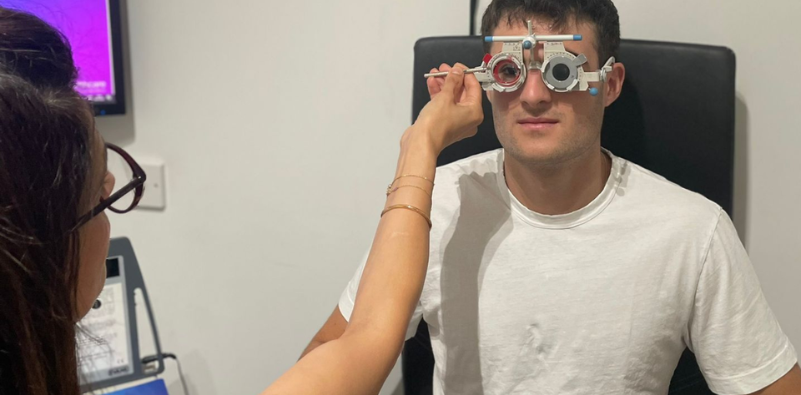
An eye examination checks more than whether you need glasses. It can assess your vision and overall eye health, while identifying whether an outdated prescription or another issue may be contributing to discomfort.
At Optikal Opticians, we take the time to understand your daily routine, including how much time you spend using screens. Our comprehensive appointments include OCT scans, helping us examine the structures at the back of the eye in greater detail and monitor changes over time.
Regular examinations can also provide helpful, personalised advice about your glasses, contact lenses, working environment and screen habits.
Make Eye Health Part of Your Summer Routine
Looking after your eyes does not require a complete change to the way you work. Better lighting, fewer reflections, regular distance breaks and a well-positioned screen can all help you stay comfortable and focused.
Book an eye examination with Optikal Opticians and take a positive step towards clearer, more comfortable remote working this summer. Our team will take the time to understand your concerns, assess your eye health and recommend support suited to your everyday routine.