

5 Eye Health Resolutions You Can Actually Keep
As we step into the new year, most of us are busy crafting resolutions around fitness, diet, or career goals. But there’s one aspect of our wellbeing that’s often overlooked in those January pledges: eye health. Your vision is one of your most precious senses, yet it’s easy to take for granted until problems arise. The good news is that protecting your eyes doesn’t require drastic lifestyle changes or expensive equipment. Small, consistent habits can make a significant difference to your long-term vision and overall wellbeing.
Unlike those ambitious resolutions that fade by February, these eye health goals are practical, achievable, and designed to fit seamlessly into your daily routine. Whether you’re already one of our valued patients at our Temple Fortune, Finchley, or Potters Bar practices, or you’re simply looking to prioritise your vision care, these five resolutions will help you maintain healthy eyes throughout 2026 and beyond.
How Can a Nutrient-Rich Diet Support Your Eye Health?

Your eyes, like every part of your body, benefit enormously from proper nutrition. The foods you choose can either support healthy vision or contribute to age-related eye conditions. Key nutrients that your eyes particularly need include vitamin A for night vision, vitamin C and E as powerful antioxidants, omega-3 fatty acids for tear production, and lutein and zeaxanthin – the star nutrients that act as natural sunglasses for your retina.
These yellow pigments are found in leafy greens like spinach and kale, red peppers, and egg yolks. When you consume these foods, lutein and zeaxanthin are delivered directly to the back of your eye, where they filter blue light wavelengths and protect the delicate cells of your macula. Steam your greens lightly and serve with a little olive oil or butter to improve absorption, or try adding them to smoothies for an easy nutritional boost.
Beyond these specific nutrients, aim for the government’s recommended five portions of fruits and vegetables daily, choosing a rainbow of colours to maximise your antioxidant intake. Omega-3 rich foods like salmon, mackerel, and walnuts support tear production and can help prevent dry eyes. Remember, sustainable dietary changes work better than dramatic overhauls – start by adding one eye-healthy food to your weekly shopping list and build from there.
What’s the Best Way to Manage Screen Time for Eye Health?

If you’re like most people, screens dominate much of your day – from computers at work to smartphones and televisions at home. This constant digital exposure can lead to digital eye strain, characterised by tired, burning, or itching eyes, headaches, and blurred vision.
Here are the most effective strategies to protect your eyes:
- Follow the 20-20-20 rule: Every 20 minutes, take a 20-second break to look at something 20 feet away. Research shows this simple technique leads to significant improvements in dry eye symptoms and overall eye comfort.
- Set regular reminders: Use your phone timer or apps designed specifically for screen breaks to help you maintain consistent habits.
- Adjust screen brightness: Match your screen brightness to your surroundings – it shouldn’t be the brightest or darkest object in your field of view.
- Consider protective lenses: Anti-reflective lens coatings or blue light filtering lenses can help if you spend long hours at screens.
- Position screens correctly: Keep your monitor about arm’s length away, with the top of the screen at or slightly below eye level.
- Remember to blink: When focusing intently on screens, we blink less frequently – normally around 15 times per minute, but this can drop to just 5-10 times when concentrating.
Why Is UV Protection Essential All Year Round?

Many people associate UV protection with summer holidays, but your eyes need shielding from ultraviolet radiation throughout the year. UV exposure is a significant risk factor for cataracts, macular degeneration, and other eye conditions that can affect your vision as you age.
Quality sunglasses with 100% UV protection should be your first line of defence. Look for wraparound styles that protect the delicate skin around your eyes as well as your cornea and lens. Don’t assume that expensive means better – even budget sunglasses can offer excellent UV protection if they meet safety standards.
For year-round convenience, consider light-adaptive lenses (also known as photochromic lenses) that automatically darken in bright light and clear indoors. These lenses contain special molecules that react to UV light, providing continuous protection without the need to remember separate sunglasses. They’re particularly useful for people who frequently move between indoor and outdoor environments.
Make it a habit to keep sunglasses easily accessible – in your car, handbag, or by the front door. UV protection is especially important on bright, overcast days when you might not think you need sunglasses, as clouds don’t significantly reduce UV transmission.
How Can Good Eye Hygiene Prevent Problems?
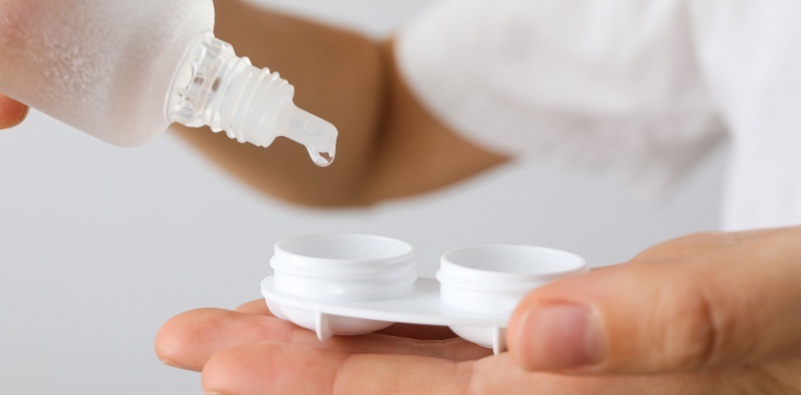
Just as you wouldn’t neglect oral hygiene, your eyes benefit from consistent care and attention. Good eye hygiene prevents infections, reduces irritation, and keeps your eyes comfortable throughout the day.
Start with the fundamentals: Always wash your hands thoroughly before touching your eyes or face – this single habit prevents most eye infections before they start.
Daily eyelid care for everyone: Gently clean your eyelids and lash line as part of your daily routine, whether you wear contacts or not. Use a clean, damp cloth or specific eyelid cleansers to remove makeup, dust, and natural oils that can clog the tiny glands along your eyelid margins. This simple step can prevent conditions like blepharitis and dry eyes.
Contact lens hygiene: If you wear contact lenses, follow our cleaning and replacement schedule religiously. Never sleep in daily disposable lenses and replace your contact lens case every three months to prevent bacterial buildup that can lead to infections.
Makeup safety: Replace eye makeup regularly – mascara and liquid eyeliner should be replaced every three months, while powder eyeshadows can last up to two years if kept clean. Never share eye makeup with others, and if you develop an eye infection, discard any makeup you used during that time to prevent reinfection.
Why Are Regular Comprehensive Eye Examinations So Important?
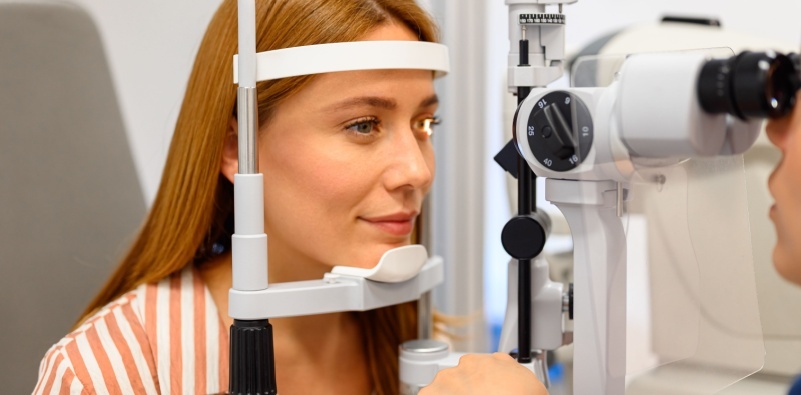
Perhaps the most important resolution you can make is scheduling regular comprehensive eye examinations. These appointments aren’t just about updating your prescription – they’re essential health checks that can detect serious conditions before you notice any symptoms.
We can spot early signs of glaucoma, diabetic retinopathy, high blood pressure, and even some neurological conditions during a routine examination. Many eye diseases develop slowly and painlessly, meaning you might not realise anything is wrong until significant vision loss has already occurred. Early detection and treatment can often prevent or slow progression of these conditions.
At our three North London practices in Temple Fortune, Finchley, and Potters Bar, our experienced optometrists use advanced diagnostic equipment tailored to your individual needs. We provide personalised care and take time to explain any findings, ensuring you feel confident about your vision care plan.
Most adults should have a comprehensive eye examination every two years, though we may recommend more frequent visits based on your age, family history, or existing conditions. If you have diabetes, high blood pressure, or a family history of eye disease, annual examinations are typically advised.
Take the First Step Towards Better Eye Health

Making these five eye health resolutions part of your routine doesn’t require dramatic lifestyle changes – just consistent, mindful choices that add up to significant benefits over time. Start with one or two goals that feel most achievable for you, then gradually incorporate the others as these habits become second nature.
Your future self will thank you for the investment in your vision care today. Whether you need to book your next eye examination, explore protective eyewear options, or simply want personalised advice about maintaining healthy vision, our team across all three North London locations is here to support your eye health journey.
Ready to make 2026 the year you prioritise your eye health? Get in touch with our team for personalised advice and professional care that fits your lifestyle.