

Night Vision: Why Low Light Affects Your Eyes
As autumn and winter approach, bringing shorter days and reduced daylight hours, many people notice their night vision becomes more challenging. The dramatic shift from long summer evenings to early darkness can have a noticeable impact on how well we see, particularly during daily activities like driving and working. Understanding how our eyes respond to low-light conditions is essential for maintaining visual comfort and ensuring we can continue our everyday routines safely and effectively throughout the darker months.
How Your Eyes Respond to Dimming Light
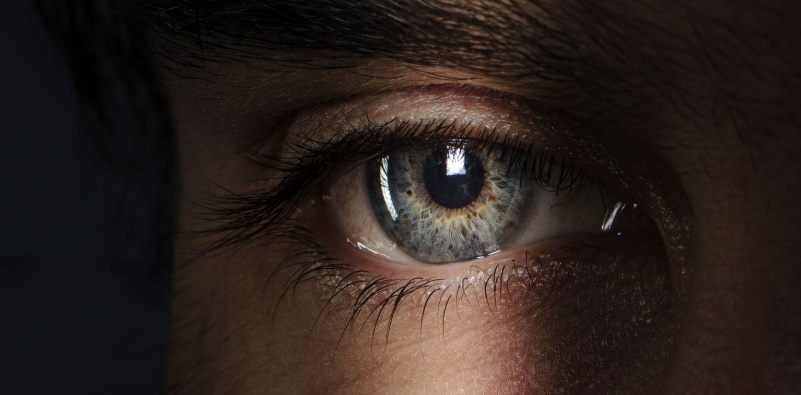
When light levels drop, your eyes undergo several automatic adjustments to help you see more clearly. The most obvious change occurs in your pupils, which dilate to allow more light into your eyes. This dilation happens quickly—within just sixty seconds your pupils can completely expand to their maximum size. However, whilst this immediate response helps, your eyes continue adapting to darkness for up to thirty minutes as various biological processes work to enhance your sensitivity to available light.
During this adaptation process, your brain receives less visual information to work with, which creates several challenges. You may find yourself struggling with glare from bright lights, experiencing difficulty seeing fine details, or noticing that your vision appears more strained or blurred than usual. The larger pupil size that helps you see in darkness also reduces your depth of field, making it harder to focus on objects at varying distances—a particular concern when switching between looking at your dashboard and the road ahead.
How Low Light Impacts Your Daily Activities
Driving Challenges
Low-light conditions create the most noticeable impact when driving, where clear vision is absolutely critical. Your dilated pupils allow more light in but also increase sensitivity to oncoming headlights and street lighting, creating uncomfortable glare. The reduced contrast in dim conditions makes it harder to distinguish between objects, road markings, and potential hazards, whilst your decreased depth perception can affect your ability to judge distances accurately—essential skills for safe driving.
Office Environment Difficulties
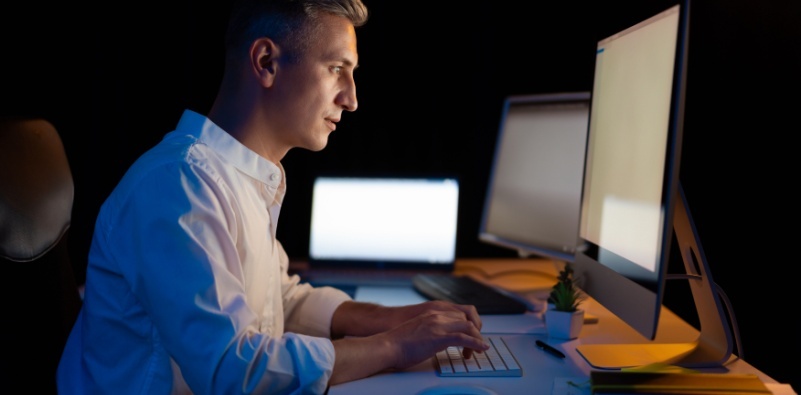
Working indoors during shorter daylight hours often means increased reliance on artificial lighting, which can contribute to eye strain. Your eyes work harder to process information in suboptimal lighting conditions, and the constant adjustment between different light sources—from computer screens to overhead lighting—can leave you feeling fatigued more quickly than usual. Poor office lighting combined with screen glare can exacerbate these issues, particularly for those who spend long hours at their desks.
Outdoor Activity Limitations
Whether you’re walking the dog in the early evening or participating in outdoor sports, reduced visibility affects your confidence and safety. Lower light levels make it harder to navigate uneven surfaces, spot obstacles, or read signs clearly, which can limit your enjoyment of outdoor activities and potentially increase your risk of accidents.
Lens Solutions to Enhance Your Vision
Anti Glare Glasses for Everyday Wear
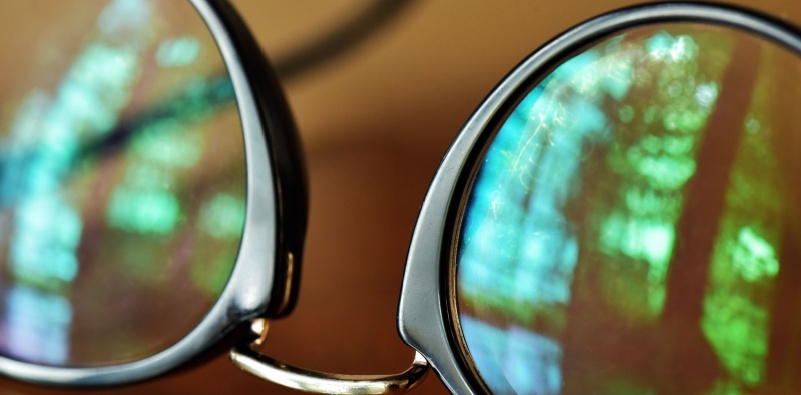
Anti-reflective coatings represent one of the most effective solutions for improving vision in challenging lighting conditions. These coatings work by eliminating reflections from both the front and back surfaces of your lenses, allowing more light to reach your eyes whilst reducing distracting glare from various light sources.
Essilor Crizal Drive for Enhanced Driving Safety
For those who drive regularly, particularly during darker hours, the Essilor Crizal Drive coating offers specialised benefits designed specifically for driving conditions. This premium anti-reflective coating provides up to 90% less reflections when driving at night, specifically targeting the wavelength (507nm) where our eyes are most sensitive in low-light conditions. The coating effectively reduces the uncomfortable glare from headlights, street lights, and wet road surfaces that can cause visual disturbance and decreased contrast perception whilst driving.
Blue Light Lenses for Digital Device Users
Office workers and anyone who spends significant time using digital devices can benefit from blue light filtering lenses. These specialised coatings help reduce the strain caused by the high-energy blue light emitted by computer screens, smartphones, and LED lighting. By filtering this potentially disruptive light, these lenses can help maintain more comfortable vision during extended periods of screen use, particularly when working in dimly lit environments.
Transitions Drivewear for Active Lifestyles
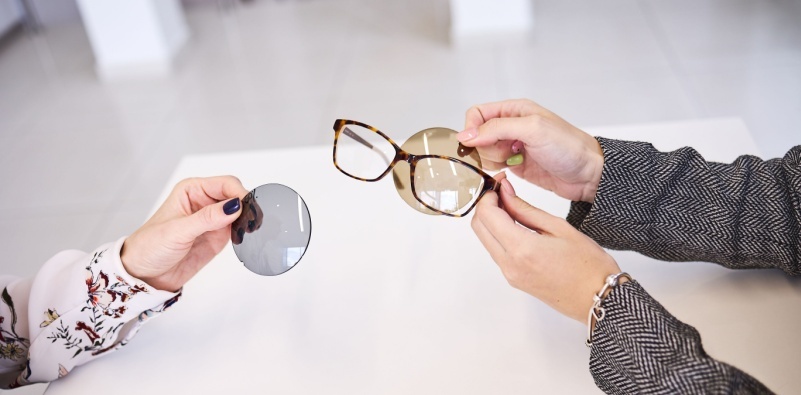
For those frequently moving between indoor and outdoor environments, Transitions Drivewear lenses offer a sophisticated solution that combines photochromic technology with permanent polarisation. Unlike standard photochromic lenses, Transitions Drivewear reacts to both UV and visible light, meaning they work effectively behind car windscreens to provide optimal vision and colour contrast whilst driving.
The Benefits of Specialised Lens Solutions
These advanced lens technologies deliver several key advantages for managing low-light vision challenges. Enhanced clarity and comfort represent the most immediate benefits—by reducing glare and improving contrast, these lenses help your eyes work more efficiently in challenging lighting conditions. This translates to reduced eye strain, allowing you to maintain visual tasks for longer periods without the fatigue typically associated with poor lighting conditions.
Additional Adjustments for Better Vision

Driving Modifications
Simple adjustments to your vehicle can significantly improve your night-time driving experience. Dim your dashboard lights to reduce internal reflections on your windscreen, properly adjust all mirrors to minimise glare from following vehicles, and ensure your windscreen is thoroughly clean—both inside and outside. Dirty glass scatters light and can dramatically reduce visibility, particularly when combined with low-light conditions.
Office Environment Improvements
In your workplace, position your computer screen to avoid glare from windows or overhead lighting, adjust ambient lighting levels to reduce eye strain, and take regular breaks to allow your eyes to rest and refocus. The 20-20-20 rule—looking at something 20 feet away for 20 seconds every 20 minutes—can be particularly beneficial during the darker months when artificial lighting places additional demands on your visual system.
Outdoor Activity Enhancements
When spending extended periods outdoors during low-light conditions, use a quality headlamp or torch to improve visibility and safety. Consider wearing a hat or visor to shield your eyes from glare caused by the low winter sun, and be mindful of changing light conditions that can affect your depth perception and ability to navigate safely.
Discover Your Optimal Vision Solution
Managing the challenges of reduced daylight and changing light conditions doesn’t have to limit your activities or comfort. At Optikal Opticians, our experienced team understands how seasonal changes affect your vision and can recommend personalised solutions to enhance your visual comfort throughout the year.
Whether you’re struggling with night driving, experiencing increased eye strain at work, or finding outdoor activities more challenging in low light, we can help you explore the most suitable lens solutions for your lifestyle. From advanced anti-reflective coatings to specialised driving lenses and blue light protection, we’ll work with you to find the perfect combination of technologies to support your vision needs.
Contact us today at one of our three north London practices to discuss how we can help optimise your vision for the changing seasons and ensure you maintain clear, comfortable sight throughout the darker months ahead.